
Typical scientific AI
Correlation
- Predicts a property from past data
- Cannot say which ingredient, temperature, or process step is responsible
- A high confidence score is still a pattern, not a reason to intervene
Hong Kong
Asha Causal AI works with chemists, materials scientists, and medical researchers who already have data, and want a clearer why before they run the next experiment.
Most models are good at spotting patterns. They are less good at telling a formulation scientist which ingredient, temperature, or process step is responsible.
We help you read experiments and simulations for cause and effect, so a recommendation is something a chemist or clinician can stand behind.
If two things move together, ordinary AI treats that as insight. In a lab, that is often a coincidence. Causal AI asks a different question: if you change this, does the outcome actually change?
Typical scientific AI
Asha Causal AI
We start from your experiments and simulations, in the language of chemistry and process, not a generic spreadsheet.
We check which variables still matter if you imagine changing them, and which only appeared related.
You get an account of what to change next, and why that change should work, rather than a black-box prediction.
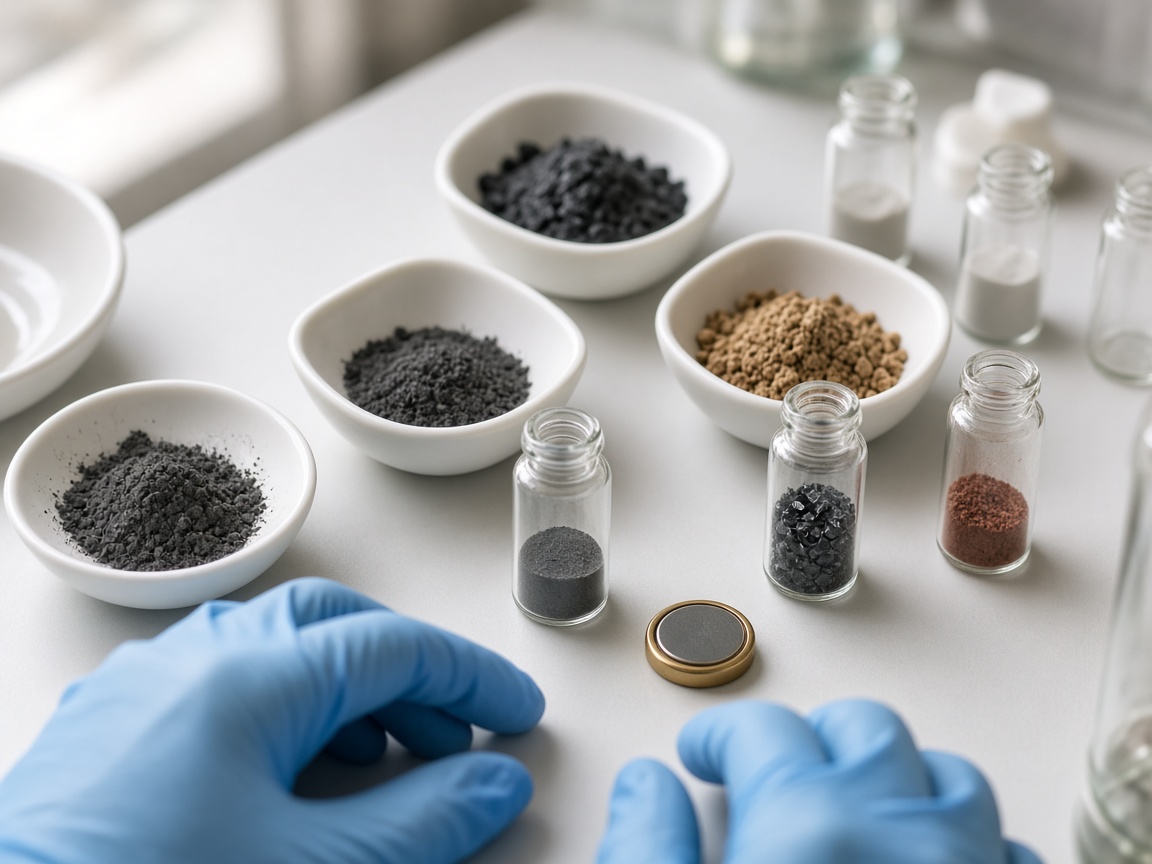
When a battery, catalyst, or polymer does not behave as expected, we help you see which chemistry and process choices are really driving performance.
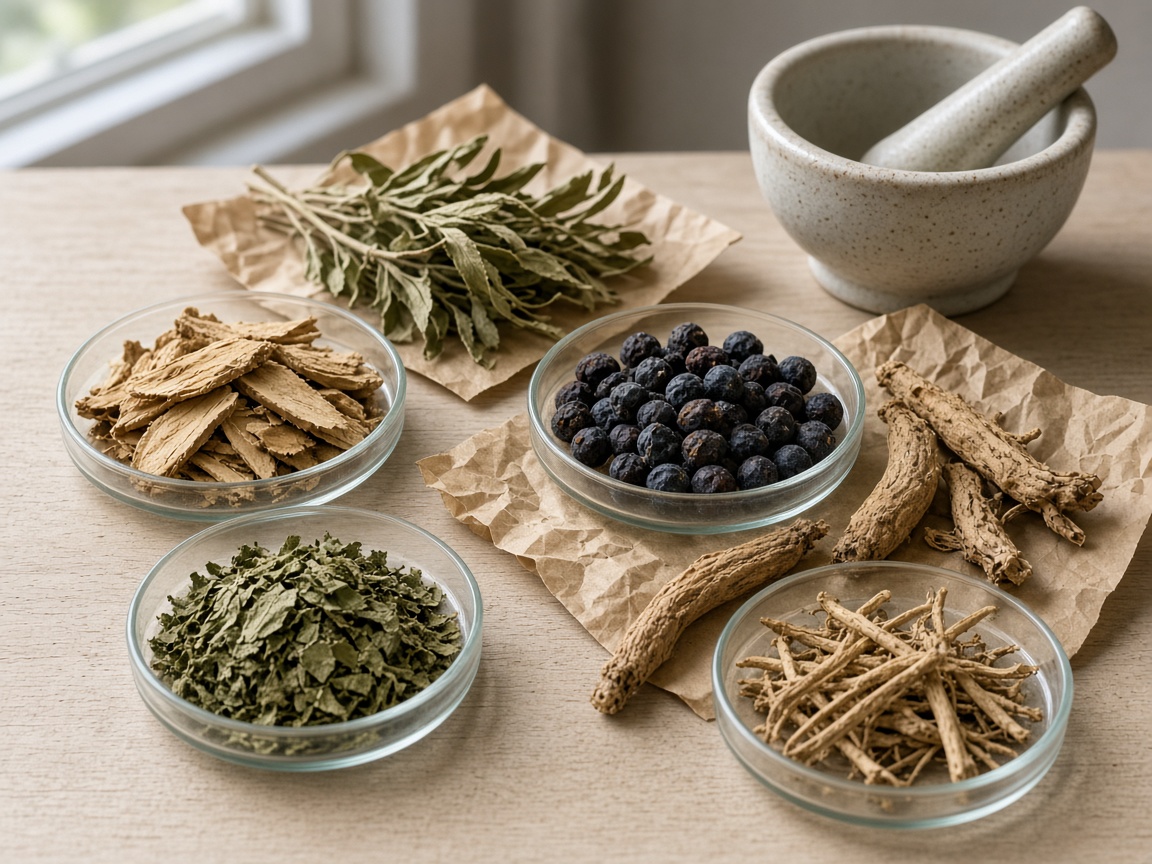
In traditional medicine and biochemical work, we help separate the components and conditions that matter from those that only look related.
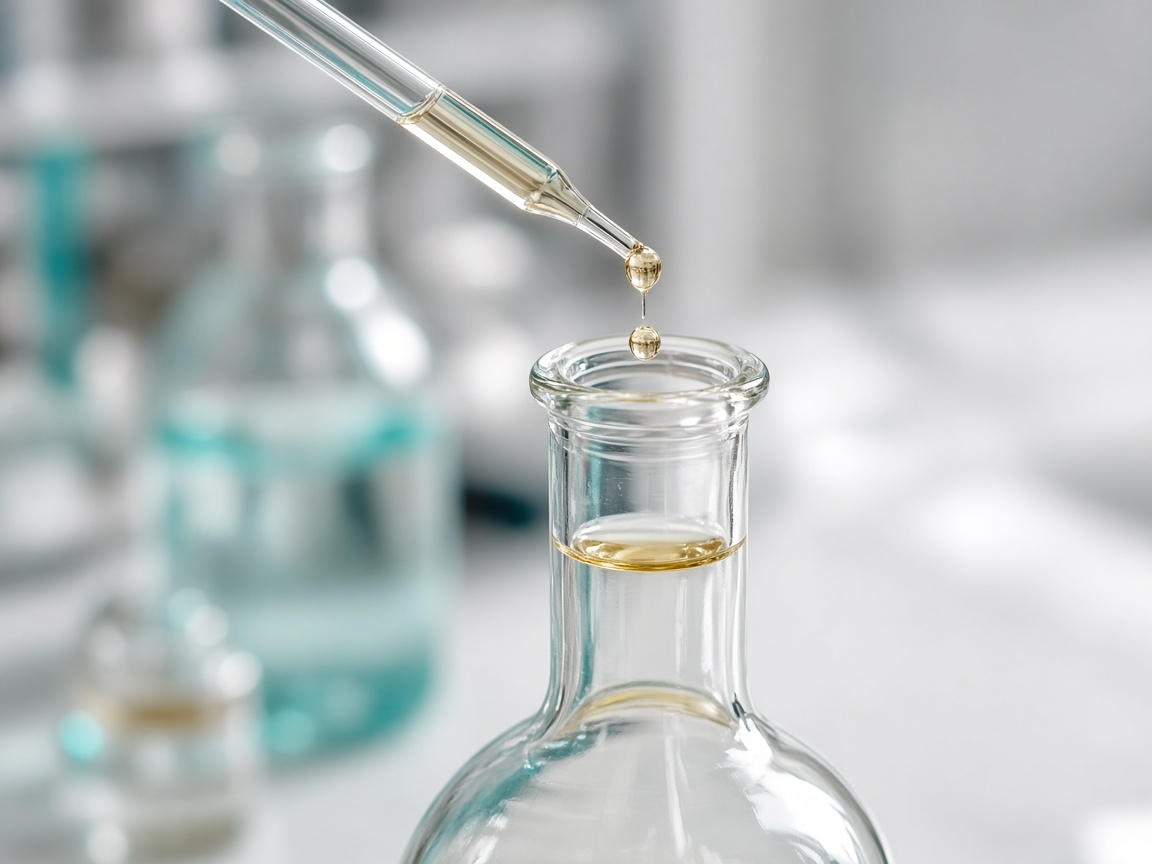
If you already run experiments or simulations, we help you spend the next cycle on the lever that actually moves the outcome.
A small Hong Kong team spanning computational chemistry, scientific strategy, and engineering.
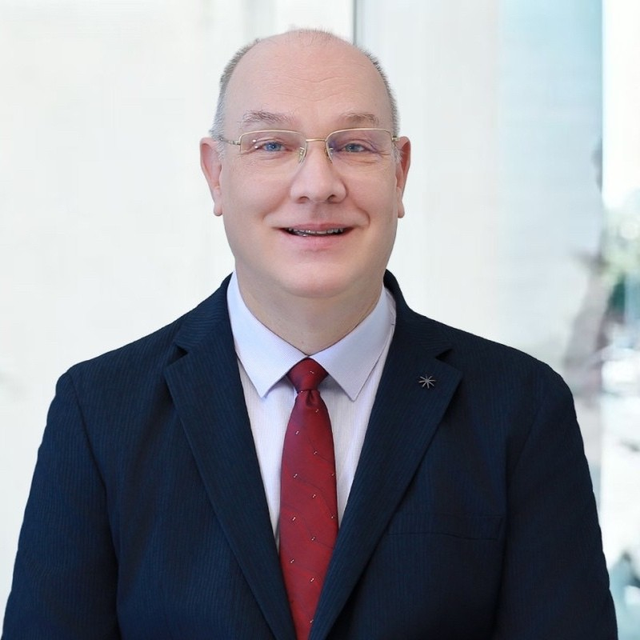
Founder and Chief Scientist
Computational physics and the FIREBALL quantum chemistry code.
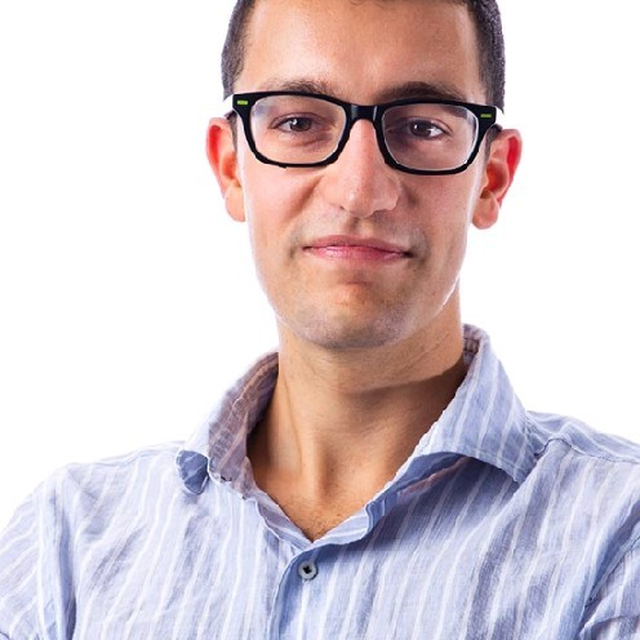
Senior Tech Officer
Scientific software, modeling, and infrastructure.
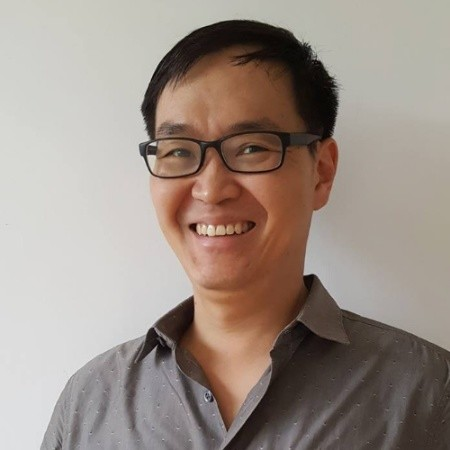
Advisor
HKUST Adjunct Associate Professor, entrepreneur, and AI strategist.
Tell us what you are trying to understand in the lab. We work with research teams and design partners in chemistry, materials, and medicine.
info@ashacausal.ai